
13 chapters
- 0:00 Anthropic turns down brilliant engineers
- 0:36 Who doesn’t get through the culture interview
- 0:55 Nothing about school or years on the job
- 1:08 Easy to say for a famous AI company?
- 1:21 Why it matters more at a small company
- 1:52 Attributes always trump skills
- 2:29 Why the no has to come from you
- 3:12 The friction of average
- 3:26 When culture fit goes wrong
- 3:45 Question one: what are they learning?
- 4:00 Question two: push back and watch
- 4:25 Question three: salary or upside
- 4:46 Say the no fast
Anthropic turns down brilliant engineers, and its CEO, Dario Amodei, spends 40 to 50 percent of his time on talent and culture.
He was on a livestream with Jamie Dimon, the CEO of JPMorgan, on November 13. And he said, we’ve been very disciplined about turning down people who are deeply technically talented, but who don’t fit our culture.
A hot market, and it still says no
For anyone who doesn’t know, Anthropic is the company behind Claude, the AI assistant. In its paperwork for going public, it says it now has about fifty three hundred people. That’s more than five times what it had at the end of 2024. So it’s hiring like crazy, in a very hot market, and it still says no to brilliant people.
How does it say no? With a culture interview. The news agency AFP reported that every hire there goes through one. And Amodei told Dimon exactly who doesn’t get through it. He said:
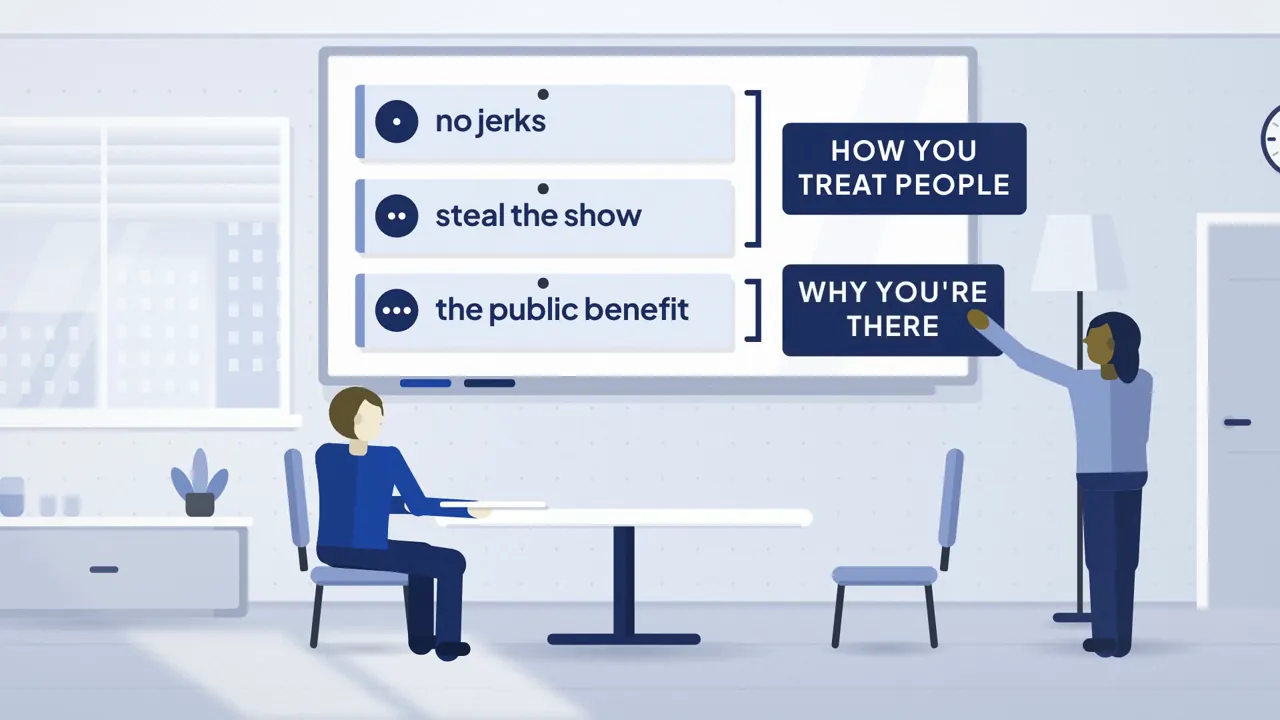
- We don’t want people who are jerks.
- We don’t want people who try to steal the show and don’t work well with others.
- We don’t want people who aren’t oriented towards the public benefit.
There’s nothing in those three lines about where somebody went to school, or how many years they’ve done the job. Two of them are about how you treat the people around you. And the third one is about why you’re there in the first place, for the mission, not just the paycheck.
Why it matters more for a small company
I know what you’re thinking, because I thought it too. That’s easy to say when you’re a famous AI company and a lot of people want in. When you run a 20 person company, sometimes you’ve got one good candidate, and you’re tempted to take them, ego and all.
But I think it matters more for a small company, not less. At Anthropic, one jerk is about one person in fifty three hundred. But at a 20 person company, that same person is 5 percent of the whole team. Because the people you hire set the average of your company. They decide the culture through what they do, and what they don’t do.
And Amodei didn’t pretend it costs nothing. He said, if you stick to that consistently, it’s painful in the short run. But you get a team where everyone works together, and everyone is on the same side.
Attributes always trump skills
So that’s the trade, and here’s where I land. I think attributes always trump skills. A skill is what someone knows how to do, and an attribute is how they go about it. Are they curious? Do they own the problem? How do they take it when someone tells them no?
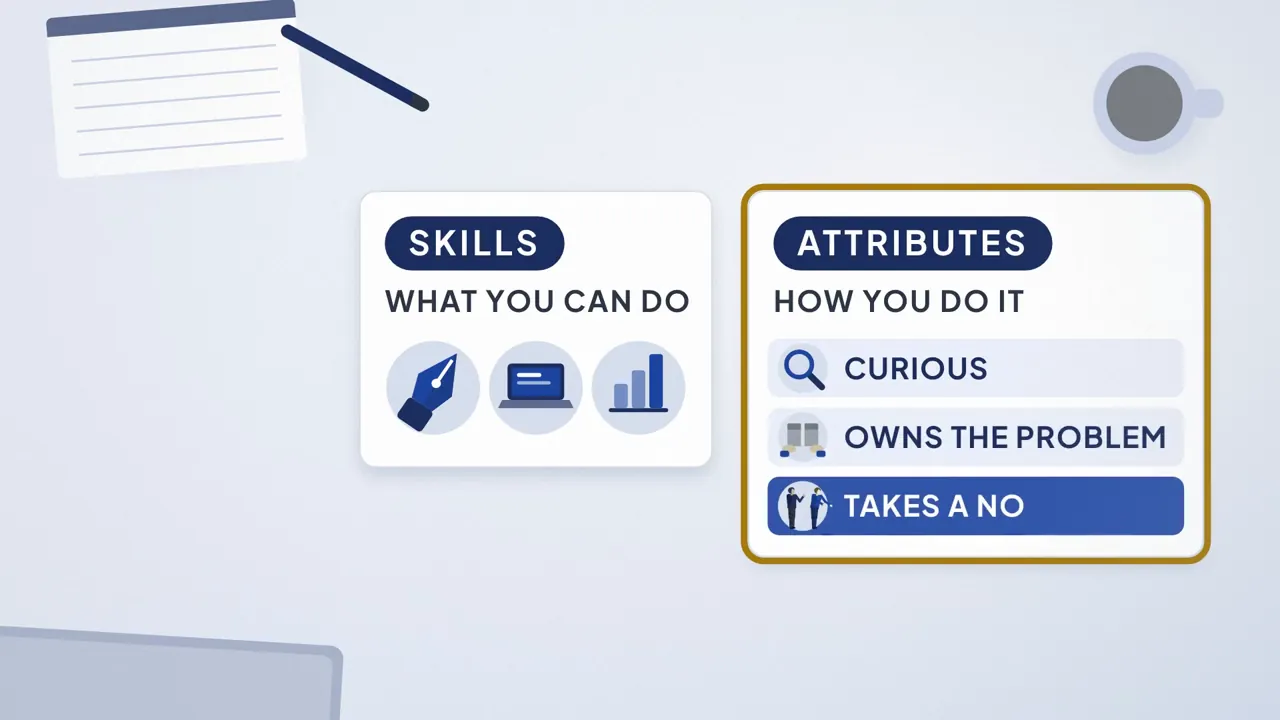
You can teach a skill in a few months. How someone takes a no, in my experience, that mostly doesn’t change.
And honestly, the hardest no in hiring isn’t the one you give the bad candidate. It’s the one you give the brilliant one.
The no has to come from you
Anthropic, the AI company behind Claude, says no to brilliant engineers who don’t fit, and at a 20 person company, that no has to come from the founder.
Say you run a 20 person marketing agency, and you’re hiring a creative director. Kevin walks in with a 10 out of 10 portfolio. But in the interview, he talks over your designer, and every plan you mention, he’s like, well, at my old shop we did it this way.
Your team sits in on that interview, and they’re going to say yes. They see the portfolio, they’re tired of covering the job, and honestly, they’re a little intimidated by him. So if the no doesn’t come from you, it doesn’t come at all. Anthropic’s CEO spends about half his time on talent and culture. You don’t need that much. But that one conversation is yours.
On top of that, Kevin comes with a cost nobody puts on a résumé. It’s what I call the friction of average. His whole habit is bringing up how another company did things. And if you’re trying to be better than average, every plan you make has to get past that habit first.
When culture fit goes wrong
To be fair, culture fit, how someone works with your team, can go wrong too. If it turns into hiring people who are just like you, the same school, the same jokes, then you’ve built a club, not a team. Or a room full of yes men. So the questions I ask are about how someone works, not who they are.
The three questions I ask
There’s really three things.
- Ask what they’re learning right now for their work. Not what they learned in school. What they’ve read lately, or something new they figured out on the job this year. The best people in any role, the A players, are almost always teaching themselves something. They kind of can’t help it.
- Push back on one of their answers, and watch what happens. You actually want people who push back. Most top performers are a little disagreeable, and that’s a good sign. But there’s a big difference between someone who’s disagreeable and someone who’s a jerk. Disagreeable is someone who says, no, I think there’s a better way for this client, and here’s why. Kevin’s line about his old shop isn’t that. He’s not arguing about your problem. He’s making it about him.
- Give them a choice on pay, and watch which one they pick. A salary, or a slightly lower salary with real upside, like a bonus or a share of the profits, if they perform. I’ve never found an A player who didn’t want a piece of the upside. They bet on themselves.
I put those three questions, and what a good answer sounds like, on a free checklist.
Say the no fast
When it’s a no, say it fast. Hiring bad people costs time, it doesn’t save time. You spend months cleaning up after them, and then you hire again anyway. The no costs you a few more weeks of looking. The wrong yes costs you a lot more than that.
So, back to Kevin. He’s the best portfolio you’ve seen in months, and the seat is still empty. Do you hire him, or keep looking?
Questions people ask
What does Anthropic look for in its culture interview?
Amodei said, we don’t want people who are jerks. We don’t want people who try to steal the show and don’t work well with others. We don’t want people who aren’t oriented towards the public benefit.
Does a culture interview matter for a small company?
I think it matters more for a small company, not less. At a 20 person company, one jerk is 5 percent of the whole team, because the people you hire set the average of your company.
What is the difference between a skill and an attribute?
A skill is what someone knows how to do, and an attribute is how they go about it. You can teach a skill in a few months. How someone takes a no, in my experience, that mostly doesn’t change.
What questions should I ask in a culture interview?
Ask what they’re learning right now for their work. Push back on one of their answers, and watch what happens. Give them a choice on pay, and watch which one they pick.
How do I keep culture fit from going wrong?
If it turns into hiring people who are just like you, the same school, the same jokes, then you’ve built a club, not a team. So the questions I ask are about how someone works, not who they are.
What is the difference between disagreeable and a jerk?
Disagreeable is someone who says, no, I think there’s a better way for this client, and here’s why. Kevin’s line about his old shop isn’t that. He’s not arguing about your problem. He’s making it about him.
Sources
Your next step
01
This checklist · free
The Culture Interview: Three Questions to Ask Before You Hire
The three questions I’d ask any candidate to see how they work, what a good answer sounds like for each, and why the no has to come from you, fast.
Your first moveIn your next interview, ask the candidate what they’re learning right now for their work, then push back once on one of their answers and watch what happens.
02
Parker’s Library · free
Get free access to Parker’s whole library
One email opens every checklist and guide from Parker’s videos, right here on the site, and each new one as he adds it.
- Quitting Test: Grade Your Team Before Your Next Big Bet
- Culture Interview: Three Questions to Ask Before You Hire
- Scouted Checklist: The Questions to Ask AI About Your Own Company
- Is This Role Safe to Cut? Five Questions to Ask Before You Cut a Role for AI
- Seat Check: Questions to Ask Before You Refill a Seat
- +7 more
03
Work with Parker
Work with Parker
Pavago: search a role, match with the right people in seconds, and book interviews for tomorrow.