

10 chapters
- 0:00 Built In’s survey: some walked away before applying
- 0:26 It goes past the application
- 0:40 How candidates scout you, with no trace
- 1:11 Too small to have a reputation?
- 1:26 Where the AI looks: the review sites
- 1:56 The catch: one small survey
- 2:42 The flip side
- 3:06 Move one: sit in on your own interview
- 3:45 Move two: how people leave
- 4:16 Move three: what you’re tolerating
Built In surveyed job seekers, and 53 percent of the ones who asked AI about employers walked away from at least one before they even applied. And the company they walked away from has no record they were ever there.
What Built In’s survey found
Built In, a hiring platform, asked 119 job seekers from its own community. 88 percent had used AI to find or research employers. Of the ones who used it, 53 percent decided not to apply somewhere because of what the AI told them.
And it goes past the application. Of those people using AI, 23 percent stopped answering a recruiter, or dropped out of interviews, because of what AI told them. So if someone went quiet on you after a good first call, you’ll never know if this was why.
Why you’d never know
Think about how it used to work. Someone wanted to work for you, so they went to your website, maybe they applied. At least you had a trace. Now, before any of that, they open an AI assistant and type, what’s it like to work at this company? It reads what’s out there, writes a little summary, and they decide. No visit, no application, nothing in your inbox.
Built In’s CEO put it well:
Candidates are discovering, evaluating and eliminating companies based on information employers may never know they encountered.
Too small to have a reputation?
You might be thinking that’s a big company problem, and you run a 14 person company with nothing out there about you. Honestly, I’d go ask an AI about your company. Either it says almost nothing, and a stranger fills the gap with 2 or 3 reviews, or it says something you didn’t write.
And what are they asking it about? In Built In’s report, 68 percent of the people using AI used it to research a company’s reputation or culture. And where does it look? Fortune ran numbers on this from the job site Indeed. About 70 percent of job seekers now use AI to research employers. And when they ask about culture, about 4 in 10 of the sources the AI cites are Glassdoor and Indeed. Those are the sites where people review the places they’ve worked. Indeed runs one of those review sites itself, so it has a stake in that answer too.

The catch: one small survey
To be fair, that 53 percent comes from one small survey. It’s 119 people, all from its own community, and Built In says itself the results aren’t nationally representative. Built In also sells a tool that tries to improve what AI says about a company, so it does well when employers worry. So take the exact number with a grain of salt.
But the direction, I’d bet on it, and checking costs you nothing. I do this myself. Before I get on a call with somebody, I look them up, and I look up their company. And most of the time, they’ve done the same to me.
So I made a free checklist with the exact questions I’d ask an AI about my own company.
Because your next great hire might have scouted you already, and you were never in the room for it.
The flip side
So what do you do about an interview you’re not invited to?
Built In’s survey has a flip side. 66 percent of the job seekers using AI applied at a company they’d never even considered, because of what it told them. For a small company, that’s a great applicant who found you without you lifting a finger, or one you lost and never saw. And honestly, most of what that AI finds, the reviews, the posts, what your own people say about you, you had a hand in. So I’d do three things this week, and none of them need a marketing team.
Three moves this week
1. Go sit in on your own interview
Tonight, open an AI assistant and ask it what it’s like to work at your company. Ask what a candidate would ask. What’s the boss like? Why do people leave? Then read the answer as the best person you’ve ever tried to hire. And when it says something you don’t like, don’t argue with the AI. Ask yourself whether it’s true.
If it says almost nothing, that’s on you too, because you haven’t told your story anywhere it can find. I think about it like Yelp. The moment you don’t claim your Yelp profile, anyone who leaves a review is claiming it for you. You don’t need to be famous on social media. Less followers, more message. Somebody who searches for you should be able to tell who you are and what you care about.
2. Think about how people leave
The people leaving write a lot of the reviews. Think about who actually sits down to write a review about a job. It’s usually somebody with a feeling about how it ended. Fortune made the same point: people on their way out leave reviews, and the AI picks them up later.
So when someone isn’t right for the team, you still let them go. You just do it like a human. My line is, hey, nothing personal, we’re extremely grateful for everything you’ve done, but we don’t think you’re the right person to take us to the next level. I want everybody to walk away with a good taste in their mouth.
3. Remember your culture is whatever you’re tolerating
This is the one that matters most. Your culture is whatever you’re tolerating. That’s always been true. What’s new is that it gets written down by the people who lived it, and a stranger can read it in 10 seconds.
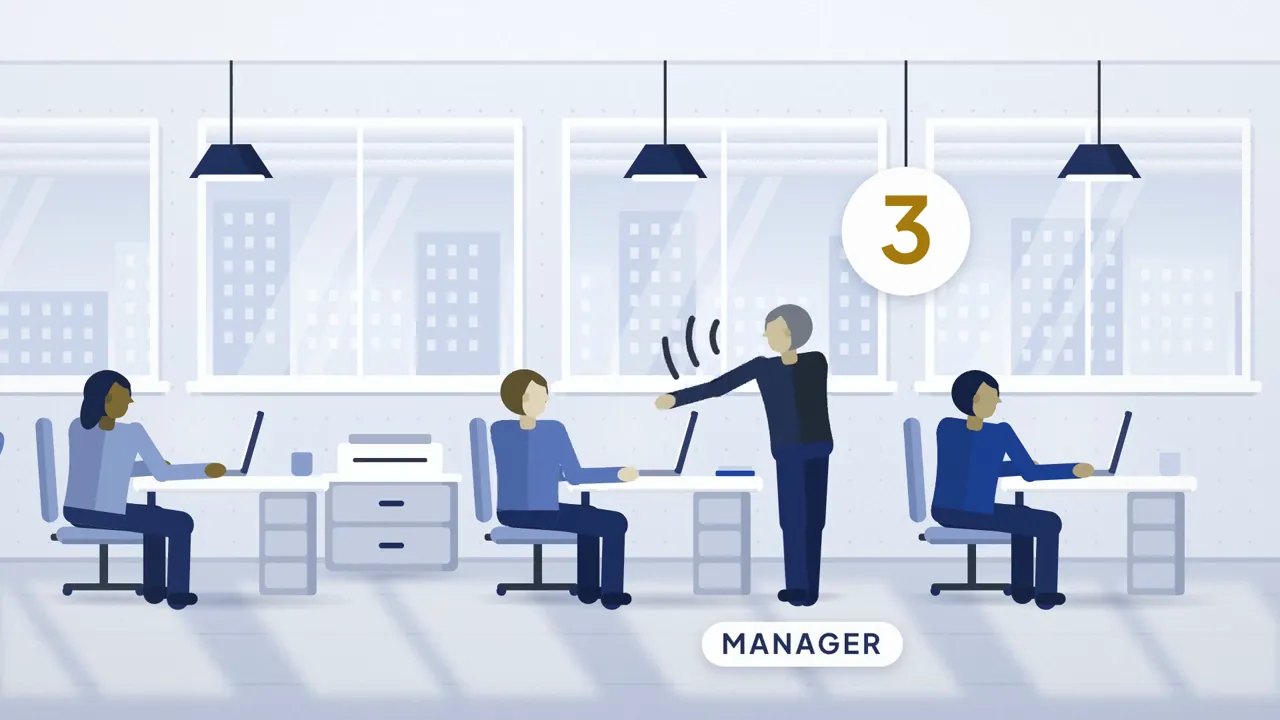
Say you’ve got a manager who yells at people, or a guy everyone quietly covers for. That’s not a branding problem, that’s a people problem. And honestly, the only problems are people problems, which is why this one matters most.
I put those three moves, with the exact questions I’d type in, into a free checklist.
Make sure what they find is true
People were always going to check you out before they joined you. What changed is how fast it happens, and that you don’t get to be there for it. So make sure what they find is true, and that it’s good.
Have you ever asked an AI what it’s like to work at your company?
Questions people ask
Do job seekers use AI to research employers?
Built In asked 119 job seekers from its own community. 88 percent had used AI to find or research employers. Of the ones who used it, 53 percent decided not to apply somewhere because of what the AI told them.
Where does AI look when candidates ask about a company’s culture?
When they ask about culture, about 4 in 10 of the sources the AI cites are Glassdoor and Indeed. Those are the sites where people review the places they’ve worked.
My company is small. Does this still matter?
Honestly, I’d go ask an AI about your company. Either it says almost nothing, and a stranger fills the gap with 2 or 3 reviews, or it says something you didn’t write.
What should I ask an AI about my own company?
Ask it what it’s like to work at your company. Ask what a candidate would ask. What’s the boss like? Why do people leave?
What if the AI says almost nothing about my company?
If it says almost nothing, that’s on you too, because you haven’t told your story anywhere it can find. Somebody who searches for you should be able to tell who you are and what you care about.
How should I let someone go so they don’t leave a bad review?
When someone isn’t right for the team, you still let them go. You just do it like a human. I want everybody to walk away with a good taste in their mouth.
Sources
Your next step
01
This checklist · free
The Scouted Checklist: The Questions to Ask AI About Your Own Company
The exact questions a candidate asks an AI about your company, how to read the answer the way your best candidate would, and three moves to fix what’s true.
Your first moveOpen an AI assistant and ask it what it’s like to work at your company. Read the answer as the best person you’ve ever tried to hire.
02
Parker’s Library · free
Get free access to Parker’s whole library
One email opens every checklist and guide from Parker’s videos, right here on the site, and each new one as he adds it.
- Quitting Test: Grade Your Team Before Your Next Big Bet
- Culture Interview: Three Questions to Ask Before You Hire
- Scouted Checklist: The Questions to Ask AI About Your Own Company
- Is This Role Safe to Cut? Five Questions to Ask Before You Cut a Role for AI
- Seat Check: Questions to Ask Before You Refill a Seat
- +7 more
03
Work with Parker
Work with Parker
Pavago: search a role, match with the right people in seconds, and book interviews for tomorrow.